Featured
The How Much Understanding Credit Reports & Credit Scores...
Examine This Report on The Advantages to Consider of How ...

Not known Facts About How Avoiding Your Debt Problems Can Cost You
Table of Contents
That liberates cash in the brief term, and you might have 3 to four years to save towards the settlement amount. Very damaging to credit ratings, largely because of missed settlements and a negative "resolved" mark that can stay on your debt record for up to 7 yearsMay be just choice if various other choices (debt loan consolidation, balance transfer bank card, debt mercy) aren't possibleTypically requires a cost to the 3rd party, which might balance out some or all of the financial savings from financial debt settlementMay assist you stay clear of insolvency if you have actually missed numerous paymentsNot all lenders deal with financial debt settlement business Financial obligation forgiveness may be ideal for you if you are experiencing an economic challenge that makes it nearly difficult to pay down your financial debt balances.
)
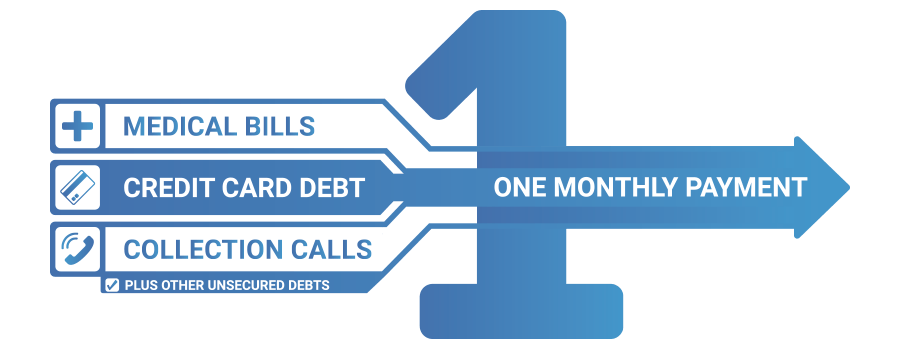
With a DMP, you make one regular monthly payment to the debt therapy agency. Those funds are after that dispersed to financial institutions of your unprotected financial obligations, such as bank card and installment finances. The firm deals with your financial institutions to lower rate of interest or forgo charges, however some financial institutions may decline such concessions.
It can assist you pay down financial obligation if you're able to secure a lending price that's lower than the average rate of the accounts you're combining. You need to abstain from racking up financial obligation on those freshly cleared accounts or your debt could expand also greater.
That offers you lots of time to get rid of or considerably minimize your equilibrium while making interest-free settlements.
Rumored Buzz on Why Ignoring to Seek Cultural Dimensions of Money: Tailoring Counseling for Diverse Financial Beliefs Causes Things Harder
You may need it if your creditor or a collection agency ever attempts to gather on the financial obligation in the future. When a lending institution forgives $600 or more, they are required to send you Type 1099-C.
Financial debt forgiveness or settlement often hurts your credit report. Anytime you work out a debt for much less than you owe, it might show up as "cleared up" on your credit rating report and impact your credit report rating for seven years from the day of negotiation. Your credit score can likewise drop significantly in the months leading to the forgiveness if you fall behind on settlements.
Everything about Ongoing Assistance Including Peer Resources
This circumstance commonly results from underreporting income, not filing returns on time, or discrepancies found during an Internal revenue service audit. The repercussions of accumulating tax obligation financial obligation are significant and can consist of tax obligation liens, which provide the Internal revenue service a lawful insurance claim to your home as safety for the debt.
Incomes and Financial institution Accounts IRS can levy (seize) incomes and financial institution accounts to satisfy the financial debt. Residential property Seizure In extreme instances, the IRS can confiscate and offer residential property to cover the financial obligation.
Social Stigma Encountering lawful activity from the Internal revenue service can bring social preconception. Work Opportunities A poor credit history rating due to strain financial debt can restrict employment opportunities. Government Benefits Tax obligation financial debt may impact eligibility for government advantages, such as Social Security and Medicaid.
Getting The Safeguarding Yourself from Bankruptcy Counseling Predatory Practices To Work
The OIC thinks about several elements, consisting of the taxpayer's income, expenses, property equity, and ability to pay. Effectively working out an OIC can be complicated, requiring an extensive understanding of the IRS's standards and a strong debate for why your deal lines up with your capacity to pay. It is very important to note that not all applications are approved, and the procedure needs detailed monetary disclosure.
The IRS analyzes your general financial scenario, including your revenue, expenditures, asset equity, and ability to pay. You should likewise be present with all declaring and settlement requirements and not be in an open insolvency proceeding. The internal revenue service likewise considers your compliance history, evaluating whether you have a document of prompt declaring and paying taxes in previous years.
Federal Programs That Offer Financial Assistance for Beginners
The application process for a Deal in Compromise entails a number of in-depth steps. You should finish and send IRS Type 656, the Offer in Concession application, and Form 433-A (OIC), a collection information declaration for people. These forms require detailed economic details, including information about your income, financial debts, costs, and properties.
Back tax obligations, which are unpaid tax obligations from previous years, can dramatically enhance your complete internal revenue service financial obligation if not attended to quickly. This debt can accumulate rate of interest and late settlement fines, making the original amount owed a lot bigger over time. Failure to pay back tax obligations can lead to the internal revenue service taking enforcement actions, such as issuing a tax obligation lien or levy versus your home.
It is essential to attend to back tax obligations as quickly as possible, either by paying the complete amount owed or by setting up a layaway plan with the internal revenue service. By taking positive actions, you can stay clear of the buildup of extra interest and charges, and avoid extra hostile collection activities by the IRS.
One typical factor is the belief that the taxpayer can pay the total either as a swelling amount or via a payment strategy. The IRS also takes into consideration the taxpayer's revenue, costs, possession equity, and future earning possibility. If these elements show that the taxpayer can afford to pay greater than the offered amount, the IRS is most likely to decline the deal.
Bankruptcy Essentials and Qualifications Fundamentals Explained
Dealing with Internal revenue service debt can be complex and difficult. Tax experts, such as CPAs, tax attorneys, or signed up representatives, can supply vital support.

Table of Contents
Latest Posts
/images/2025/11/17/how_does_debt_settlement_work_.png)
The How Much Understanding Credit Reports & Credit Scores: How to Check Them and Dispute Errors Typically Cost Diaries

Examine This Report on The Advantages to Consider of How Debt Impacts Mental and Emotional Well-Being
Indicators on Compliance Considerations Related to Debt Forgiveness You Should Know
More
Latest Posts
The How Much Understanding Credit Reports & Credit Scores: How to Check Them and Dispute Errors Typically Cost Diaries
Examine This Report on The Advantages to Consider of How Debt Impacts Mental and Emotional Well-Being
Indicators on Compliance Considerations Related to Debt Forgiveness You Should Know